
 EN
 Italiano
 Deutsch
 Français
 Español
 Polski
 Română
 日本語

The cellar
The wine list
Selected by Antimo: wines from Campania and across Italy to go with our seafood cooking. · 73 wines
Sparkling
9 wines
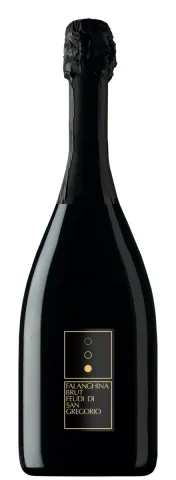
Falanghina Brut
€ 24 Feudi di San Gregorio · Vino Spumante di Qualità (VSQ) Brut DetailsA Brut sparkling wine from Falanghina alone, with second fermentation in pressurised tanks by the Charmat method. In the glass it is straw yellow with golden reflections and a fine bead; on the nose there are peach, ripe Golden Delicious apple and camomile, with a touch of apricot. The palate is dry, fresh and flowing, and the finish brings back the character of the grape.
- Grapes
- Falanghina 100% – Metodo Martinotti/Charmat
The winery
Since 1986 Feudi di San Gregorio has told the story of Irpinia through its native grape varieties, Greco, Fiano and Aglianico. The estate belongs to the Capaldo family and is now chaired by Antonio Capaldo; starting from Feudi, the family created the Tenute Capaldo project, which brings together wineries in other Italian regions as well.
With our dishesA sparkling wine for the aperitif and for seafood starters, ideal with the seaweed zeppole and the fried prawns and squid.
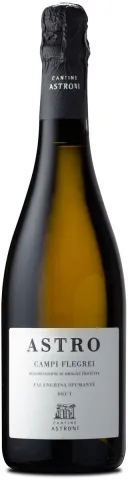
Astro Falanghina Spumante Extra Dry
€ 25 Astroni · Campi Flegrei DOP Falanghina Spumante DetailsA sparkling wine from Campi Flegrei Falanghina: the grapes, picked by hand, undergo cryomaceration and fermentation in stainless steel, then the wine rests on the lees before the second fermentation in pressurised tanks, which lasts a few months. Straw yellow with greenish reflections and a fine perlage; on the nose it offers white flowers, fresh fruit and mineral notes. The Extra Dry version has slightly higher residual sugar than the Brut, which rounds out the palate.
- Grapes
- Falanghina 100% – Metodo Martinotti/Charmat
- The land
- The Campi Flegrei, a volcanic area on the outskirts of Naples, where Falanghina grows on sandy soils of volcanic origin.
The winery
The Varchetta family's history in wine begins in 1891 with great-grandfather Vincenzo, a wine merchant in Naples, together with his son Giovanni. The estate proper, Cantine Astroni, was founded in 1999 with the restoration of the family's country house and takes its name from the Astroni crater, a former Bourbon hunting reserve and now a WWF nature reserve, next to which one of the vineyards lies.
With our dishesA Campi Flegrei sparkling wine for local flavours: seaweed zeppole, fried anchovies from Pozzuoli and buffalo mozzarella.
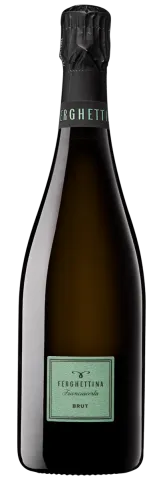
Franciacorta Brut
€ 35 Ferghettina · Franciacorta DOCG Brut DetailsFranciacorta from Chardonnay with a proportion of Pinot Nero, fermented in stainless steel and given its second fermentation in bottle, where it stays on the lees for about 30 months; the dosage is 7 grams per litre. The nose combines citrus and Golden Delicious apple with white flowers and hazelnut. The palate is bright and easy to drink, with a soft, persistent finish.
- Grapes
- Chardonnay 85%, Pinot Nero 15% – Metodo Classico
The winery
Ferghettina was founded in 1990 when Roberto Gatti, after years of working in other Franciacorta wineries, took over the running of four hectares in Erbusco with his wife Andreina; the first vintage was 1991. The name comes from the locality where the estate is based. Today the Gatti family farms around 200 hectares organically in eleven communes of Franciacorta.
With our dishesFor aperitifs and starters: raw shellfish, prosciutto and mozzarella, fried baby squid.
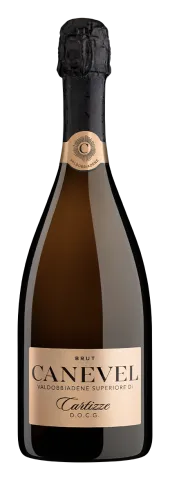
Valdobbiadene Superiore di Cartizze
€ 45 Canevel · Valdobbiadene Superiore di Cartizze DOCG DetailsA sparkling wine from Glera alone from the hill of Cartizze, made by soft pressing of whole grapes and given its second fermentation in pressurised tanks. Bright straw yellow, with a lively mousse and fine perlage, it has aromas of rose, wisteria and peach. In the Dry version the palate is soft and off-dry, with good length.
- Grapes
- Glera 100% – Metodo Martinotti/Charmat
- The land
- Cartizze is a small hill in Valdobbiadene, considered the historic cru of the denomination.
The winery
Canevel was founded in 1979 by the Caramel family in Valdobbiadene, where the estate is surrounded by Glera vineyards. In 2016 the Verona-based group Masi Agricola acquired 60% of the company.
With our dishesSoft and fragrant, it accompanies shellfish and seafood dishes, and also stands up well to the delizia al limone.
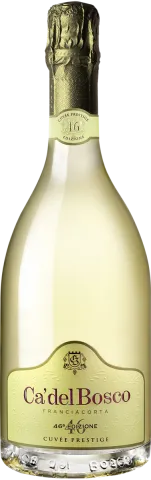
Franciacorta
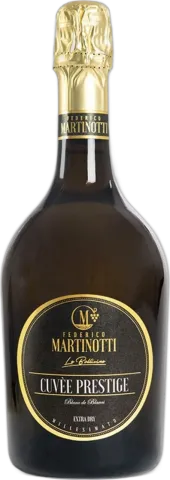
€ 65 Ca' del Bosco · Franciacorta DOCG Extra Brut DetailsThe Cuvée Prestige is the house's non-vintage blend, from Chardonnay, Pinot Bianco and Pinot Nero, aged on the lees for over two years and with an Extra Brut dosage. Pale straw yellow, it opens on peach and citrus with a hint of almond. On the palate it is fresh and fruity, compact and well balanced on the finish.
- Grapes
- Chardonnay, Pinot Bianco, Pinot Nero – Metodo Classico
The winery
It all began in 1964, when Annamaria Clementi Zanella bought a small house with two hectares on the hills of Erbusco, surrounded by oak and chestnut woods. Her son Maurizio Zanella, now president, took the estate to the traditional method: the first sparkling wines were released in December 1978. Since 1994 Ca' del Bosco has been part of the Santa Margherita Group of the Marzotto family, while retaining its own autonomy.
With our dishesDry and taut, it is perfect with raw seafood, oysters and fish starters.
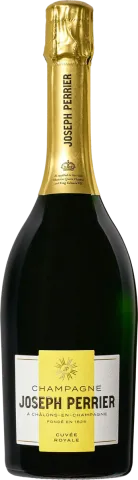
Champagne Brut Cuvée Royale
€ 65 Joseph Perrier · Champagne AOC Brut DetailsA blend of the three Champagne grape varieties from over twenty crus, with around 20% reserve wines, aged for 36 months in the house's cellars, with a dosage of 7 grams per litre. Pale gold with copper reflections, it has aromas of apple, pear and white peach with a touch of pineapple. On the palate it is lively yet soft, with hints of white flowers and vineyard peach and a saline finish.
- Grapes
- Pinot Noir 35%, Chardonnay 35%, Meunier 30% – Metodo Classico (Champenoise)
The winery
The house was founded in 1825 in Avize by Joseph Perrier, the son of a wine merchant, and two years later moved to Châlons-en-Champagne, where it is still based, in cellars dug into the hillside. In 1889 it became supplier to Queen Victoria and her son Edward VII, hence the name Cuvée Royale. From 1888 the management passed to the Pithois family and then to the Fourmons: since 2019 it has been run by Benjamin Fourmon, the sixth generation.
With our dishesThe house suggests it with marinated salmon and as an aperitif: here with the salmon tartare, the oysters or the fried baby squid.
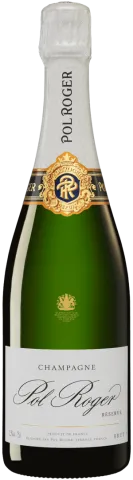
Champagne Brut Réserve
€ 100 Pol Roger · Champagne AOC Brut DetailsThis is the house's non-vintage Brut, the celebrated “White Foil”: one third each of the three grape varieties from some thirty crus, with 25% reserve wines, and four years of ageing in the cellars of Épernay, 33 metres deep. On the nose it moves from pear and mango to jasmine and honeysuckle, through to brioche and vanilla. The palate is broad, with cooked fruit, acacia honey and orange zest, and great length.
- Grapes
- Pinot Noir, Meunier e Chardonnay in parti circa uguali – Metodo Classico (Champenoise)
The winery
Pol Roger founded his house in Épernay in 1849 and it is still owned by his descendants today. Winston Churchill was a devoted customer from 1908, and the prestige cuvée Sir Winston Churchill is dedicated to his memory. The house has been an official supplier to the British Crown, holding the Royal Warrant of Queen Elizabeth II.
With our dishesA Champagne for the whole meal: from oysters and raw langoustines through to the mixed seafood grill.
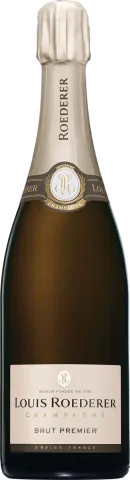
Brut Premier
€ 100 Louis Roederer · Champagne AOC Brut DetailsA blend of several vintages from over forty plots, enriched with reserve wines partly aged in wood, with at least three years on the lees and six months' rest after disgorgement. The style is elegant and fine, with the roundness given by the reserves. The palate has structure and length, with a fresh finish.
- Grapes
- Pinot Noir 40%, Chardonnay 40%, Meunier 20% – Metodo Classico (Champenoise)
The winery
The house was founded in Reims in 1776 as Dubois Père & Fils; in 1833 Louis Roederer inherited it from his uncle and gave it his name. In 1876 he created Cristal for Tsar Alexander II, and the house still belongs to the Rouzaud family, descendants of Louis Roederer, with around 240 hectares of its own vineyards.
With our dishesThe house recommends it with langoustines and shellfish: here with raw langoustines and prawns or with the oysters.
Whites
41 winesCampania
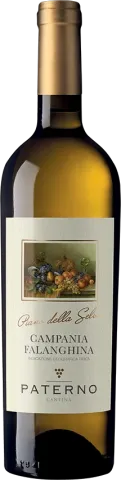
Falanghina
€ 16 Paterno · Campania Falanghina IGT Details- Grapes
- Falanghina
- The land
- The estate's vineyards lie in Paternopoli, in the heart of the Taurasi DOCG area.
The winery
Azienda Agricola Paterno is based in Paternopoli, in the heart of Irpinia, and has been selling wine since the late eighteenth century: at that time it supplied the taverns along the royal road between Naples and Apulia and the Bourbon capital itself. With the arrival of the railway, at the end of the nineteenth century, the wine left by mule for the village station and from there reached new markets in Italy and the Americas. Today the winery, owned by Angelo Storti, is surrounded by around 30 hectares of vineyards, mostly Aglianico.
With our dishesThe freshness typical of Falanghina goes well with fried anchovies and the briny flavour of mussels.
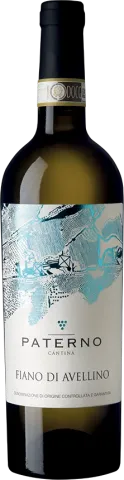
Fiano di Avellino
€ 22 Paterno · Fiano di Avellino DOCG Details- Grapes
- Fiano
- The land
- The estate's vineyards lie in Paternopoli, in the heart of the Taurasi DOCG area.
The winery
Azienda Agricola Paterno is based in Paternopoli, in the heart of Irpinia, and has been selling wine since the late eighteenth century: at that time it supplied the taverns along the royal road between Naples and Apulia and the Bourbon capital itself. With the arrival of the railway, at the end of the nineteenth century, the wine left by mule for the village station and from there reached new markets in Italy and the Americas. Today the winery, owned by Angelo Storti, is surrounded by around 30 hectares of vineyards, mostly Aglianico.
With our dishesA Fiano from Irpinia has the structure and freshness to suit raw fish and pasta with clams.
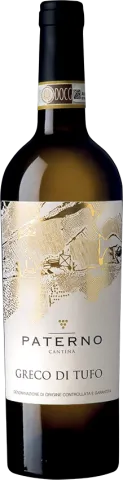
Greco di Tufo
€ 22 Paterno · Greco di Tufo DOCG Details- Grapes
- Greco
- The land
- The estate's vineyards lie in Paternopoli, in the heart of the Taurasi DOCG area.
The winery
Azienda Agricola Paterno is based in Paternopoli, in the heart of Irpinia, and has been selling wine since the late eighteenth century: at that time it supplied the taverns along the royal road between Naples and Apulia and the Bourbon capital itself. With the arrival of the railway, at the end of the nineteenth century, the wine left by mule for the village station and from there reached new markets in Italy and the Americas. Today the winery, owned by Angelo Storti, is surrounded by around 30 hectares of vineyards, mostly Aglianico.
With our dishesThe savoury character and body of Greco stand up well to octopus and to a pasta dish rich in seafood.
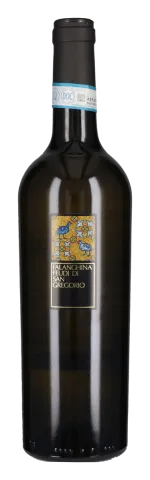
Falanghina
€ 20 Feudi di San Gregorio · Falanghina del Sannio DOC DetailsFermented and rested for a few months in stainless steel on the fine lees. Pale straw yellow with green reflections, it has aromas of white flowers, camomile, yellow apple and lemon zest. On the palate it is fresh, taut and balanced, with a clean, mineral finish.
- Grapes
- Falanghina 100%
- The land
- Falanghina del Sannio DOC is produced on the hills of the province of Benevento.
The winery
Since 1986 Feudi di San Gregorio has told the story of Irpinia through its native grape varieties, Greco, Fiano and Aglianico. The estate belongs to the Capaldo family and is now chaired by Antonio Capaldo; starting from Feudi, the family created the Tenute Capaldo project, which brings together wineries in other Italian regions as well.
With our dishesA lively, fresh wine, ideal with seafood starters, pasta with clams and grilled fish.
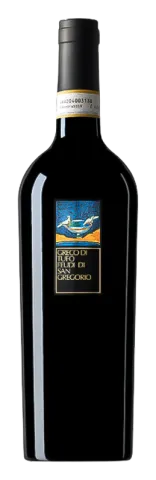
Greco di Tufo
€ 25 Feudi di San Gregorio · Greco di Tufo DOCG DetailsFrom vines on limestone soils, it matures for a few months on the fine lees in stainless steel. The nose is intense, with apricot, peach and melon; the palate is creamy and balanced, refreshed by a mineral streak.
- Grapes
- Greco 100%
- The land
- Greco di Tufo DOCG comes from Irpinia, around Tufo, on soils rich in sulphur and limestone.
The winery
Since 1986 Feudi di San Gregorio has told the story of Irpinia through its native grape varieties, Greco, Fiano and Aglianico. The estate belongs to the Capaldo family and is now chaired by Antonio Capaldo; starting from Feudi, the family created the Tenute Capaldo project, which brings together wineries in other Italian regions as well.
With our dishesThe body and minerality of Greco stand up to seafood pasta dishes and chargrilled molluscs.
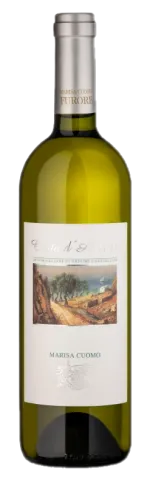
Costa d'Amalfi Bianco
€ 35 Marisa Cuomo · Costa d'Amalfi DOC DetailsFrom the terraced vineyards of Cetara and Raito, between 300 and 400 metres, on dolomitic limestone rock. Pale straw yellow, with elegant aromas of acacia, verbena and aromatic herbs; the palate is fresh and composed, finishing on a hint of toasted almond.
- Grapes
- Falanghina 60%, Biancolella 40%
- The land
- The Costa d'Amalfi DOC brings together terraced vineyards overlooking the sea, from the Amalfi Coast to Vietri.
The winery
Cantine Marisa Cuomo was founded in 1980 in Furore, on the Amalfi Coast, when Marisa Cuomo and her husband Andrea Ferraioli took over the Gran Furor Divina Costiera brand, created in 1942. The wines mature in a cellar carved into the dolomitic limestone rock and the oenologist is Luigi Moio; the vineyards, often clinging to the rock faces, cover around 10 hectares.
With our dishesFresh and aromatic, it goes well with octopus, the sautéed seafood and the fried anchovies.
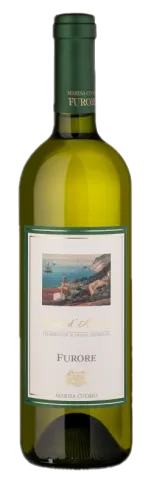
Furore Bianco
€ 45 Marisa Cuomo · Costa d'Amalfi Furore DOC DetailsThe grapes, picked by hand in early October, are fermented in stainless steel at low temperature and aged for four months in vat. Straw yellow, it has aromas of sea herbs and hawthorn with touches of almond and hazelnut; on the palate it is broad and balanced, with a tangy acidity that keeps it fresh.
- Grapes
- Falanghina, Biancolella
- The land
- Furore is a sub-zone of the Costa d'Amalfi DOC, with vines among cliffs dropping sheer to the sea.
The winery
Cantine Marisa Cuomo was founded in 1980 in Furore, on the Amalfi Coast, when Marisa Cuomo and her husband Andrea Ferraioli took over the Gran Furor Divina Costiera brand, created in 1942. The wines mature in a cellar carved into the dolomitic limestone rock and the oenologist is Luigi Moio; the vineyards, often clinging to the rock faces, cover around 10 hectares.
With our dishesSavoury and broad, it accompanies seafood pasta dishes and the catch of the day.
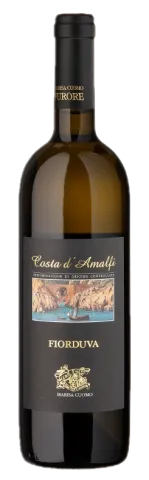
Furore Bianco Fiorduva
€ 90 Marisa Cuomo · Costa d'Amalfi Furore DOC DetailsFrom very ripe native grapes picked by hand, it ferments for about three months at low temperature in oak barriques. Bright yellow with golden reflections, it has aromas of apricot, broom flowers and tropical fruit; on the palate it is soft and dense, with a long finish of dried apricot, raisins and candied fruit.
- Grapes
- Ripoli 40%, Fenile 30%, Ginestra 30%
- The land
- Fenile, Ginestra and Ripoli are ancient, rare grape varieties of the Amalfi Coast, grown in Furore and the neighbouring villages.
The winery
Cantine Marisa Cuomo was founded in 1980 in Furore, on the Amalfi Coast, when Marisa Cuomo and her husband Andrea Ferraioli took over the Gran Furor Divina Costiera brand, created in 1942. The wines mature in a cellar carved into the dolomitic limestone rock and the oenologist is Luigi Moio; the vineyards, often clinging to the rock faces, cover around 10 hectares.
With our dishesRich and enveloping, it stands up to substantial seafood pasta dishes, shellfish and grilled fish.
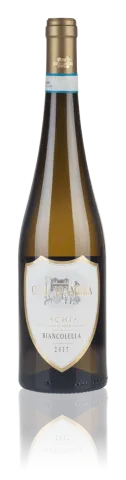
Ischia Biancolella
€ 28 Casa D'Ambra · Ischia DOC DetailsVinified as a white wine with temperature-controlled fermentation. Straw yellow, it has intense aromas of yellow fruit and flowers; on the palate it is dry and full, with a pleasant almond finish.
- Grapes
- Biancolella 85%; Forastera, San Lunardo e Uva Rilla 15%
- The land
- Biancolella is the emblematic white grape of Ischia, grown on the volcanic slopes of Epomeo.
The winery
Casa D'Ambra was founded in 1888 in Forio d'Ischia by Francesco D'Ambra, known as “Don Ciccio”. Since 2000 it has been led by Andrea D'Ambra, owner and oenologist, assisted by his daughters Marina and Sara, the fourth generation. Its vineyards include Frassitelli, four terraced hectares that also give their name to its best-known Biancolella.
With our dishesDry, with a note of almond, it accompanies octopus, fried seafood and fresh dairy cheeses.
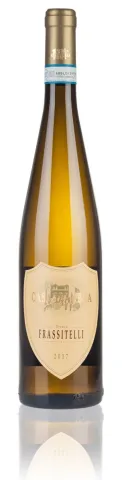
Ischia Biancolella Tenuta Frassitelli
€ 35 Casa D'Ambra · Ischia DOC DetailsIt comes from two extremely steep vineyards at around 600 metres and is matured in stainless steel only, for a long time on its own lees. Pale straw yellow, it has aromas of yellow-fleshed fruit, banana and broom; on the palate it combines intensity and delicacy and has great length.
- Grapes
- Biancolella 100%
- The land
- Frassitelli is a cru on the steep slopes of Epomeo, where the vines are grown on terraces with an almost sheer drop.
The winery
Casa D'Ambra was founded in 1888 in Forio d'Ischia by Francesco D'Ambra, known as “Don Ciccio”. Since 2000 it has been led by Andrea D'Ambra, owner and oenologist, assisted by his daughters Marina and Sara, the fourth generation. Its vineyards include Frassitelli, four terraced hectares that also give their name to its best-known Biancolella.
With our dishesElegant and persistent, it is ideal with seafood pasta dishes, fish starters and the mixed seafood grill.
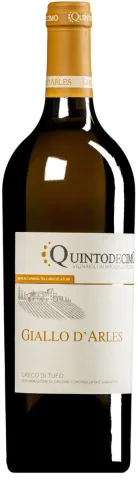
Giallo d'Arles Greco di Tufo
€ 60 Quintodecimo · Greco di Tufo DOCG DetailsIt matures for eight months on the fine lees, about two thirds in stainless steel and the rest in wood. Straw yellow with golden reflections, it has aromas of citrus, white flowers and Mediterranean herbs over a mineral background; on the palate it has precise acidity, hints of grapefruit and lime, a saline streak and a long finish.
- Grapes
- Greco 100%
- The land
- Greco di Tufo DOCG comes from the hills of Irpinia around Tufo, on soils rich in tuff and sulphur.
The winery
Quintodecimo was founded in 2001 in Mirabella Eclano, in Irpinia, by the oenologist Luigi Moio, professor at the Federico II University of Naples, and his wife Laura Di Marzio. The roots go back through the family: as early as the beginning of the 1950s his father Michele was making wine in Mondragone. Today the estate has around 30 hectares of vineyards.
With our dishesIts structure and savoury character make it suited to seafood pasta dishes, grilled fish and shellfish.
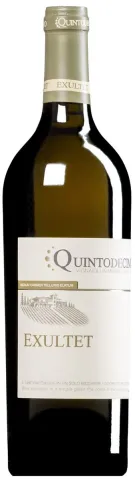
Exultet Fiano di Avellino
€ 60 Quintodecimo · Fiano di Avellino DOCG DetailsThe grapes, picked early in the morning and gently pressed, are fermented at controlled temperature; part of the wine matures in French barriques on the fine lees. Bright straw yellow, it has aromas of acacia, broom, pear and ripe peach with hints of honey and toasted almond; the palate is lively, citrusy and mineral, with a persistent finish.
- Grapes
- Fiano 100%
- The land
- The Fiano vineyards lie on the hills of Mirabella Eclano, above 500 metres, on soils of volcanic origin.
The winery
Quintodecimo was founded in 2001 in Mirabella Eclano, in Irpinia, by the oenologist Luigi Moio, professor at the Federico II University of Naples, and his wife Laura Di Marzio. The roots go back through the family: as early as the beginning of the 1950s his father Michele was making wine in Mondragone. Today the estate has around 30 hectares of vineyards.
With our dishesA broad, mineral Fiano that goes well with raw tuna, baked fish and seafood pasta dishes.
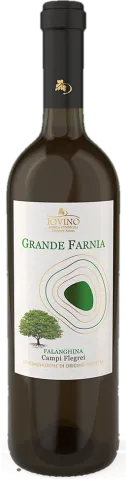
Grande Farnia Falanghina
€ 60 Montespina Iovino · Campi Flegrei DOP DetailsIt has a very bright colour and an intense, clean nose, with mineral notes reminiscent of the Solfatara. On the palate it is fresh yet full, with a long, pleasant finish.
- Grapes
- Falanghina
- The land
- The Campi Flegrei are a volcanic area west of Naples, where Falanghina grows on sands and ashes that often allow ungrafted vines.
The winery
Montespina Iovino is a family estate in Pozzuoli, in the heart of the Campi Flegrei, overlooking the Solfatara: the family vineyard has been cultivated since the late nineteenth century. Today it is run by Antonio Iovino and his wife Teresa with their children Giuseppe, chef of the Il Gruccione agriturismo, and Consiglia. The vineyard has ungrafted vines, some of them over a hundred years old.
With our dishesA wine from Pozzuoli for the anchovies of Pozzuoli: freshness and volcanic salinity cleanse the palate after the frying.
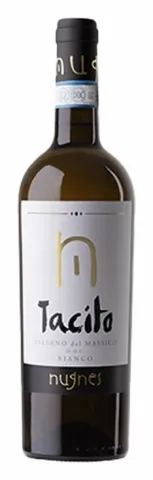
Tacito Falerno del Massico Bianco
€ 22 Nugnes · Falerno del Massico DOC DetailsThe nose is fruity, with citrus and white flowers accompanied by hints of dried fruit and pear skin. The palate is clean and precise.
- Grapes
- Falanghina
- The land
- Falerno del Massico recalls Falernum, the wine most celebrated by the authors of ancient Rome, produced between Monte Massico and the sea.
The winery
The Nugnes winery stands in Carinola, in the Falerno del Massico area, and continues a family tradition of winegrowers active since the 1960s: after Orlando Nugnes, the estate grew with his son Antonio. The modern winery was built in 2002; today it has around 10 hectares of vineyards and a production of around 60,000 bottles.
With our dishesA fresh, citrusy white from the Caserta area, a natural partner for buffalo mozzarella and fried seafood.
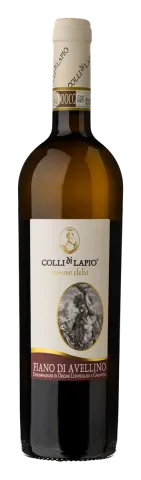
Fiano di Avellino
€ 26 Colli di Lapio – Romano Clelia · Fiano di Avellino DOCG DetailsFermented and aged in stainless steel only, with no time in wood. Pale straw yellow with green reflections, it has aromas of red apple, apricot and mineral notes; on the palate it is dry, fragrant and savoury, with good length.
- Grapes
- Fiano 100%
- The land
- Lapio is one of the communes of the Fiano di Avellino DOCG, with hillside vineyards north-east of Avellino.
The winery
Colli di Lapio is the estate founded in 1994 by Clelia Romano in Arianiello, a hamlet of Lapio, in Irpinia. Clelia is both owner and oenologist and signs the wines with her daughter Carmela.
With our dishesSavoury and fragrant, it is ideal with raw fish and shellfish.
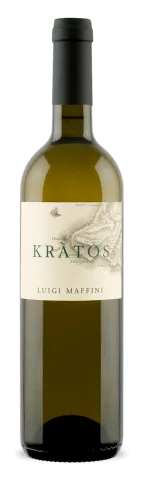
Kratos
€ 35 Luigi Maffini · Cilento DOC DetailsFrom organic farming, it matures for about four months in stainless steel on the fine lees, with no wood. The nose combines fruit with a smoky touch, with dried apricot, lime zest, stone and sea salt; on the palate it is energetic and soft, between citrus, yellow apple and minerality, with a finish of lemon and peach.
- Grapes
- Fiano 100%
- The land
- The Cilento is the coast south of Paestum, where Fiano grows between the sea and limestone hills.
The winery
Luigi Maffini's father planted the first vineyard in Castellabate in 1970; in 1996 Luigi and his wife Raffaella Gallo, both agriculture graduates from Naples, set up the winery, and the first wine was the Kratos itself. The vineyards, organically farmed, lie behind Punta Licosa in Castellabate and in Giungano and Trentinara, near Paestum.
With our dishesTaut and saline, it goes well with pasta with clams, the chargrilled squid and the marinated fish.
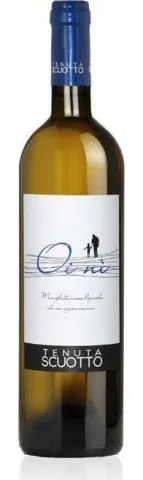
Oi Nì
€ 40 Tenuta Scuotto · Campania IGP DetailsFrom grapes harvested late, in early November, it ferments in stainless steel with indigenous yeasts and then matures for about a year on the fine lees in large oak casks, followed by bottle ageing. Golden straw yellow, it shows notes of volcanic stone, honey, dried yellow fruit, hay and toasted hazelnut; the palate is full, with marked acidity and a persistent finish.
- Grapes
- Fiano 100%
- The land
- Lapio is a historic area for Irpinian Fiano, with soils alternating volcanic ash, sands and clays.
The winery
Tenuta Scuotto was born in Lapio, in Irpinia, when the Neapolitan Eduardo Scuotto bought the land in 2008 and set up the winery with his son Adolfo. The vineyards lie at around 500 metres, facing Monte Tuoro, and the oenologist is Angelo Valentino. “Oi Nì”, Neapolitan for “hey, boy”, is the affectionate way a father calls his son.
With our dishesA rich, wood-aged Fiano that stands up to baked fish, salt cod and shellfish.
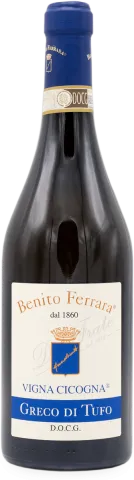
Greco di Tufo Vigna Cicogna
€ 35 Benito Ferrara · Greco di Tufo DOCG DetailsIt comes from the family cru, about one and a half hectares of calcareous clay with outcrops of sulphur, and is fermented and matured for seven months in stainless steel. It has aromas of crisp peach, lemon zest and wild mint over saline notes; on the palate it is intense and structured, with marked acidity and a lively briny streak.
- Grapes
- Greco 100%
- The land
- Tufo gives its name to the denomination: its sulphurous, calcareous soils give Greco its savoury character and backbone.
The winery
The Ferrara family has been making wine since the early twentieth century in San Paolo, a hamlet of Tufo; the estate takes its name from its founder, Benito Ferrara. Today it is run by his daughter Gabriella with her husband Sergio and her mother Michelina, with vineyards between Tufo and Montemiletto.
With our dishesIts tension and briny streak accompany chargrilled octopus, shellfish and seafood pasta dishes.
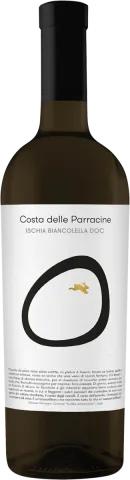
Ischia Biancolella
€ 35 Costa delle Parracine · Ischia DOC DetailsIt comes from vines on the slopes of Epomeo, at around 300 metres above sea level, on green volcanic tuff, and matures for four to six months in stainless steel on the fine lees. Bright straw yellow with green reflections, it has aromas of peach, pear, wild fennel and lemon blossom; on the palate it is full and balanced, with a delicate minerality and an almond finish.
- Grapes
- Biancolella 100%
The winery
Costa delle Parracine is a project launched in 2024 on Ischia, an equal partnership between Feudi di San Gregorio, led by Antonio Capaldo, and Tenuta C'est la Vie of the Moraschi family. It works around 3.5 hectares of vines more than twenty years old, on the terraces the island calls “parracine”, formerly belonging to the Giardini Arimei winery; 2024 is the first vintage, overseen by the oenologist Pier Paolo Sirch.
With our dishesFresh, with a note of almond, it is perfect with fried seafood, octopus and anchovies.
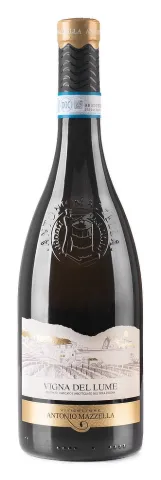
Vigna del Lume
€ 50 Cantine Antonio Mazzella · Ischia Biancolella DOC DetailsPure Biancolella from a vineyard overlooking the sea, on the eastern coast of Ischia; the grapes, harvested slightly overripe in early October, are fermented at controlled temperature and aged in stainless steel and then in bottle. Straw yellow, it brings flowers and almost-ripe fruit to the nose, with hints of herbs and yellow fruit. The palate is fresh and delicate, slightly savoury, with a saline, briny finish.
- Grapes
- Biancolella 100%
- The land
- The vineyard lies at Punta del Lume (“'o lummo”), on the east coast of the island, a few metres from the sea: the name comes from a rocky ridge that recalled the shape of an oil lamp.
The winery
Cantine Antonio Mazzella was founded by Nicola Mazzella in 1940 in Campagnano, a village in the commune of Ischia at the foot of Monte Vezzi, and later expanded by his son Antonio; today the third generation is led by Nicola and his sister Vera. The vineyards, in small terraced plots often reachable only on foot, are worked by hand, and in some areas the must still travels by sea in small wooden boats to Ischia Ponte.
With our dishesThe marine salinity of Biancolella marries well with clams, the anchovies of Pozzuoli and the fish of the day.
Trentino-Alto Adige
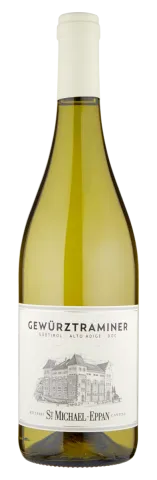
Gewürztraminer
€ 30 San Michele Appiano · Alto Adige DOC DetailsGewürztraminer from the Classic range, vinified dry and aged in stainless steel, from single vineyards along the Wine Road between Appiano and Cortaccia. Straw yellow, it has intense aromas of rose and lychee. On the palate it is aromatic, fruity and spicy, full in its aromas.
- Grapes
- Gewürztraminer 100%
- The land
- Vineyards between 300 and 500 metres along the Wine Road, on gravelly, calcareous soils with a small proportion of clay.
The winery
Cantina San Michele Appiano was founded in 1907, when 41 winegrowing families of Appiano joined together in a cooperative. Under the direction of the cellar master Hans Terzer, the Sanct Valentin range, devoted to great whites, was born with the 1986 vintage, and the Chardonnay has been part of it from the start; in 2000 Gambero Rosso named the cooperative “Winery of the Year”.
With our dishesIts aromatic character goes well with raw shellfish and dishes of more intense flavour.
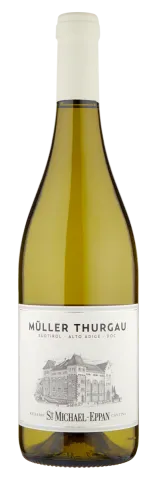
Müller Thurgau
€ 26 San Michele Appiano · Alto Adige DOC DetailsMüller Thurgau from the Classic range, aged in stainless steel, from high-altitude vineyards in Oltradige and Bassa Atesina. Pale yellow with greenish reflections, it has aromas of hay and muscat notes. The palate is fine, supported by lively acidity.
- Grapes
- Müller Thurgau 100%
- The land
- Vineyards between 600 and 900 metres, on gravelly, calcareous soils and porphyry sediments: the variety gives its best precisely at the highest altitudes.
The winery
Cantina San Michele Appiano was founded in 1907, when 41 winegrowing families of Appiano joined together in a cooperative. Under the direction of the cellar master Hans Terzer, the Sanct Valentin range, devoted to great whites, was born with the 1986 vintage, and the Chardonnay has been part of it from the start; in 2000 Gambero Rosso named the cooperative “Winery of the Year”.
With our dishesLight and fresh, it is ideal with seafood starters and delicately flavoured fish.
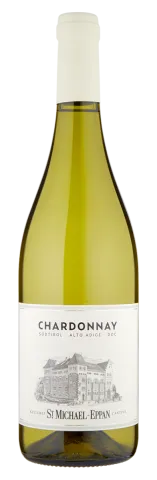
Chardonnay
€ 26 San Michele Appiano · Alto Adige DOC DetailsChardonnay from the Classic range, fermented in stainless steel with partial malolactic fermentation, from mid-hill vineyards in Appiano and Caldaro. Bright yellow, it has aromas of ripe apple, melon and banana. On the palate it is delicate and juicy, with good length.
- Grapes
- Chardonnay 100%
- The land
- Vineyards between 400 and 500 metres in Appiano and Caldaro, on calcareous-gravelly soils and morainic sediments.
The winery
Cantina San Michele Appiano was founded in 1907, when 41 winegrowing families of Appiano joined together in a cooperative. Under the direction of the cellar master Hans Terzer, the Sanct Valentin range, devoted to great whites, was born with the 1986 vintage, and the Chardonnay has been part of it from the start; in 2000 Gambero Rosso named the cooperative “Winery of the Year”.
With our dishesSoft and fruity, it pairs with starters, mozzarella and simply cooked fish.
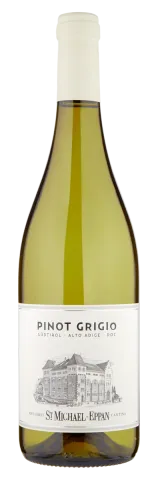
Pinot Grigio
€ 26 San Michele Appiano · Alto Adige DOC DetailsPinot Grigio from the Classic range, fermented in stainless steel with partial malolactic fermentation, from vineyards around San Michele Appiano and Caldaro. Straw yellow with greenish reflections, it has aromas of ripe pear and apple. The palate is soft and fine, fresh and of good length.
- Grapes
- Pinot Grigio 100%
- The land
- Vineyards between 400 and 500 metres on morainic soils rich in limestone.
The winery
Cantina San Michele Appiano was founded in 1907, when 41 winegrowing families of Appiano joined together in a cooperative. Under the direction of the cellar master Hans Terzer, the Sanct Valentin range, devoted to great whites, was born with the 1986 vintage, and the Chardonnay has been part of it from the start; in 2000 Gambero Rosso named the cooperative “Winery of the Year”.
With our dishesEasy and versatile, it is a good companion for starters and cold summer dishes.
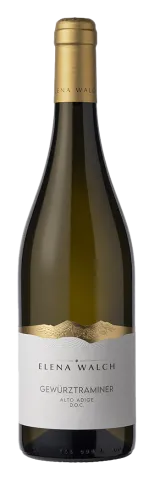
Gewürztraminer
€ 28 Elena Walch · Alto Adige DOC DetailsGewürztraminer from Termeno, bright yellow with golden reflections. The nose is intensely aromatic, with rose petals, flowers and spices. On the palate it combines freshness and body, with a long, harmonious finish.
- Grapes
- Gewürztraminer 100%
The winery
Elena Walch, an architect from Milan, entered the world of wine when she married the heir of one of the oldest winemaking families in South Tyrol and moved to Termeno, where she began the renewal of the family estate. Today the estate is led by her daughters Julia and Karoline, the fifth generation, who trained in Burgundy, Bordeaux and Adelaide.
With our dishesIts aromas of rose and spice accompany raw shellfish and more flavoursome fish dishes.
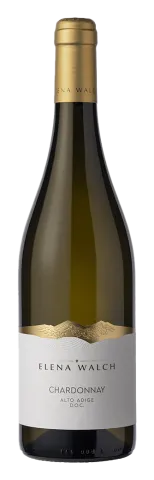
Chardonnay
€ 28 Elena Walch · Alto Adige DOC DetailsA bright yellow Chardonnay with a fruity bouquet of exotic notes. On the nose there are pineapple and ripe apple, accompanied by delicate floral hints. The palate is elegant and of good length.
- Grapes
- Chardonnay 100%
The winery
Elena Walch, an architect from Milan, entered the world of wine when she married the heir of one of the oldest winemaking families in South Tyrol and moved to Termeno, where she began the renewal of the family estate. Today the estate is led by her daughters Julia and Karoline, the fifth generation, who trained in Burgundy, Bordeaux and Adelaide.
With our dishesFruity and soft, it goes well with fried seafood and with shellfish cooked in the pan.
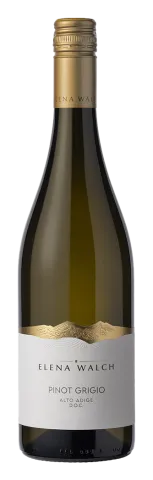
Pinot Grigio
€ 28 Elena Walch · Alto Adige DOC DetailsBright straw-yellow Pinot Grigio, with aromas of ripe pear, white pepper and a touch of sage. On the palate it has body and minerality, with well-balanced savouriness and remarkable length. A white of character, suited to many pairings.
- Grapes
- Pinot Grigio 100%
The winery
Elena Walch, an architect from Milan, entered the world of wine when she married the heir of one of the oldest winemaking families in South Tyrol and moved to Termeno, where she began the renewal of the family estate. Today the estate is led by her daughters Julia and Karoline, the fifth generation, who trained in Burgundy, Bordeaux and Adelaide.
With our dishesFull-bodied and savoury, it stands up well to chargrilled dishes and to pasta with seafood.
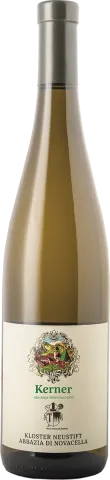
Kerner
€ 28 Abbazia di Novacella · Alto Adige Valle Isarco DOC DetailsKerner from the Bressanone basin, fermented and matured for six months in stainless steel. Straw yellow, it has aromas of peach, apricot and mandarin. On the palate it is savoury, juicy and warm, with a mineral finish.
- Grapes
- Kerner 100%
- The land
- Vineyards between 650 and 800 metres, on permeable morainic deposits of mica schist, paragneiss and quartzite.
The winery
The Abbazia di Novacella, near Bressanone, was founded in 1142 and its winemaking tradition is as old as the monastery, because among the first gifts it received were vineyards. In 1938 the abbey bought the Marklhof estate in Cornaiano, since then the base for its red wines, and since 1961 it has worked with a consortium of growers who deliver their grapes to it.
With our dishesThe winery recommends it with sushi and sashimi: here it is perfect with raw and marinated fish.
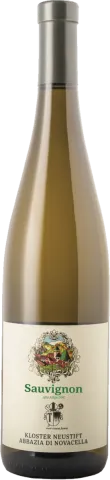
Sauvignon
€ 28 Abbazia di Novacella · Alto Adige DOC DetailsSauvignon from vineyards in the Bressanone basin and in Cornaiano, fermented and matured for six months in stainless steel. Straw yellow, on the nose it recalls elderflower, nettle and bell pepper. The palate is fresh and lively, with good fullness and a mineral streak.
- Grapes
- Sauvignon Blanc 100%
- The land
- Grapes partly from the Valle Isarco (650–750 m) and partly from Cornaiano, in Oltradige (350–420 m).
The winery
The Abbazia di Novacella, near Bressanone, was founded in 1142 and its winemaking tradition is as old as the monastery, because among the first gifts it received were vineyards. In 1938 the abbey bought the Marklhof estate in Cornaiano, since then the base for its red wines, and since 1961 it has worked with a consortium of growers who deliver their grapes to it.
With our dishesFresh and herbaceous, it pairs with raw tuna and chargrilled vegetables.
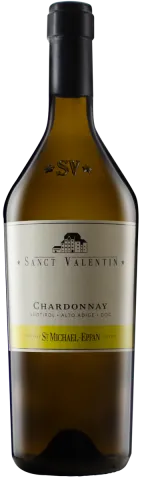
Chardonnay Sanct Valentin
€ 50 San Michele Appiano · Alto Adige DOC DetailsThe Chardonnay of the flagship Sanct Valentin range comes from selected micro-zones in Appiano; it ferments and matures on the lees in barriques and tonneaux, then rests for at least eight months in concrete vats. The nose combines ripe fruit with notes of vanilla and toast. On the palate it is powerful and buttery, full-bodied, with a mineral streak and good acidity that supports its ageing.
- Grapes
- Chardonnay 100%
- The land
- Grapes from the best exposures in the commune of Appiano, between 450 and 550 metres, on calcareous-gravelly and morainic soils.
The winery
Cantina San Michele Appiano was founded in 1907, when 41 winegrowing families of Appiano joined together in a cooperative. Under the direction of the cellar master Hans Terzer, the Sanct Valentin range, devoted to great whites, was born with the 1986 vintage, and the Chardonnay has been part of it from the start; in 2000 Gambero Rosso named the cooperative “Winery of the Year”.
With our dishesStructured and enveloping, the winery recommends it with mixed fried fish: it also stands up well to rich seafood pasta dishes.
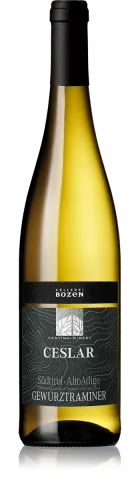
Gewürztraminer
€ 25 Cantina Bolzano (Kellerei Bozen) · Alto Adige DOC DetailsGewürztraminer from vineyards between 400 and 600 metres around Bolzano, with brief skin maceration and fermentation in stainless steel. Deep straw yellow with golden reflections, it has aromas of rose, lychee, grapefruit and lime, with hints of orange zest, cloves and cinnamon. The palate is full and soft, with a pleasant freshness.
- Grapes
- Gewürztraminer 100%
The winery
Cantina Bolzano (Kellerei Bozen) was formed in 2001 from the merger of two historic cooperatives: the Cantina di Gries, founded in 1908 by 30 growers, and the Cantina di Santa Maddalena, founded in 1930 by 18 growers. Since 2018 it has been based in the new, largely underground winery in San Maurizio, and today it brings together 224 member families.
With our dishesAromatic and spicy, it accompanies shellfish and dishes of more decided flavour.
Germany – Mosel
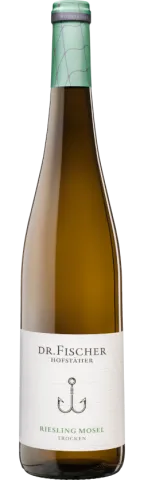
Riesling trocken
€ 28 Dr. Fischer (Tenuta J. Hofstätter) · Mosel Qualitätswein (QbA) DetailsDry Riesling from the Mosel-Saar, vinified in stainless steel. Straw yellow, on the nose it brings the slate notes typical of the area and fresh hints of citrus. On the palate it is fresh and mineral.
- Grapes
- Riesling 100%
- The land
- The vineyards of the Ockfener Bockstein are steep slopes facing south and south-west, on grey slate, which gives the wines their mineral imprint.
The winery
The historic Dr. Fischer estate in Ockfen, on the Saar, has since 2014 been owned by the Foradori Hofstätter family, owners of Tenuta J. Hofstätter in Termeno, founded in 1907 by Josef and Maria Hofstätter. Today it is led by Martin and Beatrix Foradori Hofstätter with their children Niklas and Emma.
With our dishesTaut and citrusy, it is an excellent companion for oysters, shellfish and seafood starters.
Friuli Venezia Giulia
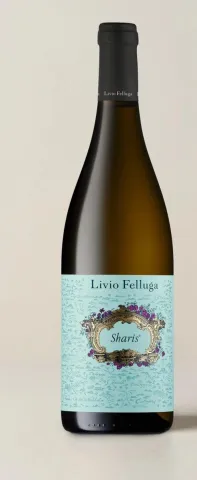
Sharis
€ 28 Livio Felluga · Venezia Giulia IGT DetailsA white combining Ribolla Gialla, Sauvignon and Chardonnay, fermented in stainless steel and left for a few months on the lees. Pale straw yellow with green reflections, it has a mineral, marine nose, with peach, grapefruit, lemon thyme and wild herbs. On the palate it is lively and flowing, citrusy, with a crisp green-apple acidity and a briny finish.
- Grapes
- Ribolla Gialla, Sauvignon, Chardonnay
The winery
The estate bears the name of Livio Felluga, who after the Second World War restored the first vineyards on the hills of Rosazzo, in Friuli, bringing an abandoned territory back to life. In 1956 he designed the “Carta Geografica” label, inspired by an old map of Friuli, still the emblem of his wines today. Today the estate farms 187 hectares of vineyards and also tends the historic vineyards of the Abbazia di Rosazzo.
With our dishesIts marine, briny notes make it a natural match for oysters and shellfish.
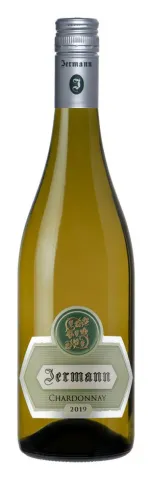
Chardonnay
€ 35 Jermann · Venezia Giulia IGT DetailsChardonnay vinified off the skins and aged for about six months on the lees in stainless steel, then a few months in bottle. Bright straw yellow with greenish reflections, when young it has intense aromas of banana and ripe Golden Delicious apple, with an aromatic touch. Fresh, with good length, it puts the natural aromas of the grape to the fore.
- Grapes
- Chardonnay 100%
- The land
- Vineyards on marls and sandstones of Eocene origin (flysch), facing south-west and north-east.
The winery
The Jermann family's history in Friuli begins in 1881, when Anton Jermann arrived in Villanova di Farra from Burgenland, by way of present-day Slovenia. Silvio Jermann, who trained in oenology at Conegliano and San Michele all'Adige, after a spell in Canada renewed the family estate and created Vintage Tunina; in 2007 he opened the second winery at Ruttars, in the Collio.
With our dishesThe winery suggests it with fish in sauce, shellfish and vegetable soups.
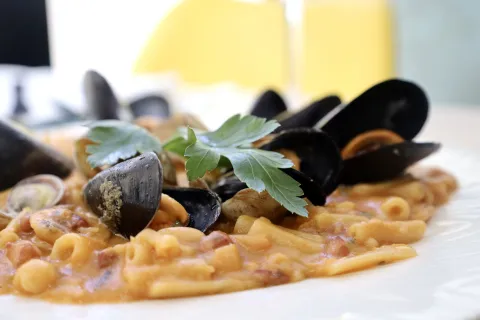
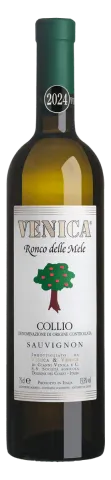
Sauvignon Ronco delle Mele
€ 70 Venica & Venica · Collio DOC DetailsSauvignon from a single vineyard of about two hectares on the hill of Cerò, in Dolegna del Collio; the grapes macerate for about 20 hours at low temperature and the wine matures for five months on the lees, partly in large casks and partly in stainless steel. On the nose it alternates vegetal notes, from tomato leaf to elderflower, with hints of citron and pink grapefruit and a mineral touch. The palate is fresh and savoury, intense and very true to the variety.
- Grapes
- Sauvignon 100%
- The land
- The vineyard, facing north-west towards the Julian Alps, rises to about 150 metres; its name comes from the apple trees Daniele Venica planted to stabilise the slope that had slipped after the bombardments of the First World War.
The winery
Venica & Venica is a family estate in Dolegna del Collio, founded in 1930 when Daniele Venica bought the property. In 1984 the brothers Gianni and Giorgio Venica planted Sauvignon on the hill of Cerò, and since 1995 it has given Ronco delle Mele, which has become the winery's emblematic wine.
With our dishesThe winery recommends it with shellfish, grilled prawns and seafood pasta dishes.
Sicily
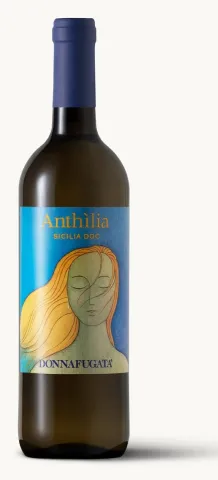
Anthìlia
€ 26 Donnafugata · Sicilia DOC Bianco DetailsA white based on Lucido, the name by which Catarratto is now known, aged in vat and then in bottle for about two months each. Straw yellow, it has aromas of citrus, white-fleshed fruit and flowers. On the palate the fruit is accompanied by clear-cut freshness and good savouriness.
- Grapes
- Lucido (Catarratto) e altri vitigni autoctoni e internazionali
- The land
- South-western Sicily, with the Contessa Entellina estate and other well-suited areas.
The winery
Donnafugata was founded in 1983 by Giacomo Rallo, a member of a family involved in quality wine for over 170 years, and his wife Gabriella; today it is led by their children José and Antonio. The name recalls Tomasi di Lampedusa's The Leopard and the flight of Queen Maria Carolina from Naples to the lands where the vineyards now lie, while the operational heart remains the historic cellars in Marsala, built in 1851. Lighea, too, takes its name from a story by Tomasi di Lampedusa, in which she is a siren.
With our dishesFresh and savoury, it is recommended by the winery for starters, raw fish and fried fish.
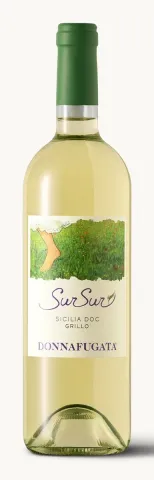
SurSur
€ 28 Donnafugata · Sicilia DOC DetailsGrillo from western Sicily, aged for two months in vat and at least two in bottle. Bright straw yellow, on the nose it combines tropical fruit and Mediterranean scrub. On the palate it is fresh and savoury, with a return of the fruity notes.
- Grapes
- Grillo 100%
The winery
Donnafugata was founded in 1983 by Giacomo Rallo, a member of a family involved in quality wine for over 170 years, and his wife Gabriella; today it is led by their children José and Antonio. The name recalls Tomasi di Lampedusa's The Leopard and the flight of Queen Maria Carolina from Naples to the lands where the vineyards now lie, while the operational heart remains the historic cellars in Marsala, built in 1851. Lighea, too, takes its name from a story by Tomasi di Lampedusa, in which she is a siren.
With our dishesThe winery recommends it with seafood pasta dishes, vegetarian dishes and fresh cheeses.
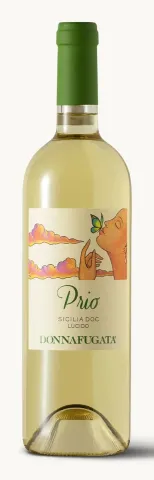
Prio
€ 28 Donnafugata · Sicilia DOC DetailsPure Lucido, that is Catarratto, aged in vat and then in bottle for over two months. Straw yellow with greenish reflections, it has aromas of aromatic herbs, lychee and citrus. On the palate the fruit returns, supported by fine freshness.
- Grapes
- Lucido (Catarratto) 100%
The winery
Donnafugata was founded in 1983 by Giacomo Rallo, a member of a family involved in quality wine for over 170 years, and his wife Gabriella; today it is led by their children José and Antonio. The name recalls Tomasi di Lampedusa's The Leopard and the flight of Queen Maria Carolina from Naples to the lands where the vineyards now lie, while the operational heart remains the historic cellars in Marsala, built in 1851. Lighea, too, takes its name from a story by Tomasi di Lampedusa, in which she is a siren.
With our dishesThe winery recommends it for raw fish and for fried fish and vegetables.
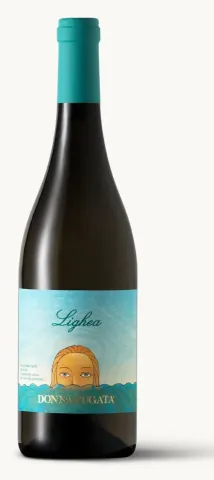
Lighea
€ 28 Donnafugata · Sicilia DOC Zibibbo DetailsA dry, aromatic white from Zibibbo grapes from Pantelleria, fermented in stainless steel at controlled temperature and briefly aged in vat and in bottle. The colour is a bright straw yellow with greenish reflections; the nose is dominated by orange blossom, with citron, bergamot and exotic hints of lychee. On the palate fruit and flower return, supported by fine freshness and a mineral finish.
- Grapes
- Zibibbo (Moscato di Alessandria) 100%
- The land
- The grapes come from 14 contrade of Pantelleria, on volcanic terraces between 20 and 400 metres, with vines trained as Pantelleria-style bush vines (alberello pantesco), a practice recognised as UNESCO heritage.
The winery
Donnafugata was founded in 1983 by Giacomo Rallo, a member of a family involved in quality wine for over 170 years, and his wife Gabriella; today it is led by their children José and Antonio. The name recalls Tomasi di Lampedusa's The Leopard and the flight of Queen Maria Carolina from Naples to the lands where the vineyards now lie, while the operational heart remains the historic cellars in Marsala, built in 1851. Lighea, too, takes its name from a story by Tomasi di Lampedusa, in which she is a siren.
With our dishesThe winery recommends it with raw fish, shellfish, light fried dishes and oily fish: here with the tuna tartare, the oysters or the fried anchovies.
Abruzzo
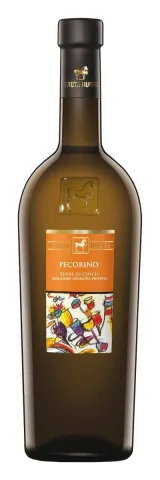
Pecorino
€ 25 Tenuta Ulisse · Terre d'Abruzzo IGP Pecorino (nelle annate precedenti Terre di Chieti IGP) DetailsPure Pecorino from vineyards in the province of Chieti, harvested by hand and slowly fermented in stainless steel at low temperature, then left to rest for a few months in bottle. Pale straw yellow with green reflections, on the nose it opens on white peach, citrus, grapefruit and papaya. The palate is fresh and lively, crossed by a savoury streak that carries through the finish.
- Grapes
- Pecorino 100%
- The land
- The hills of the province of Chieti, in the part of Abruzzo that looks out to the Adriatic.
The winery
Tenuta Ulisse is based in Crecchio, in the province of Chieti, and is a family business born of the vision of Don Antonio Ulisse. The 2006 vintage marked the first year of sales, with 36,000 bottles; the winery presents itself as a young enterprise focused on innovation and on Abruzzo's historic grape varieties.
With our dishesDesigned for raw fish, shellfish and baked fish, it goes well with spaghetti with clams, the octopus salad and the catch of the day.
Piedmont
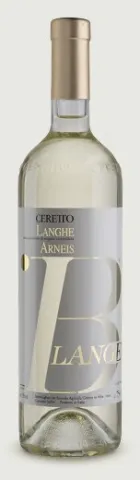
Blangé
€ 35 Ceretto · Langhe DOC Arneis DetailsPure Arneis, with part of the grapes cold-macerated before fermentation in stainless steel, where the wine ages for a few months. Pale straw yellow, it has aromas of acacia, citrus, peach and tropical fruit. The palate is dry and fresh, with hints of apple and pear and a good balance between fruit and minerality.
- Grapes
- Arneis 100%
- The land
- The grapes come from the vineyards of Vezza d'Alba, Castellinaldo and Alba, between Roero and Langhe.
The winery
The winery was founded in Alba in the 1930s by Riccardo Ceretto; from the 1960s his sons Bruno and Marcello bought vineyards in the most important crus of Barolo and Barbaresco, and today the estate is led by the third generation. Blangé was born in 1985 and helped make Arneis known in an area until then devoted above all to red wines. The name is a dialect corruption of “boulanger”: the first vineyard used was known as “the baker's”, because it had belonged to a French baker.
With our dishesFresh and versatile, it goes well with the marinated fish, the fried baby squid and the seafood antipasto.
Rosés
6 wines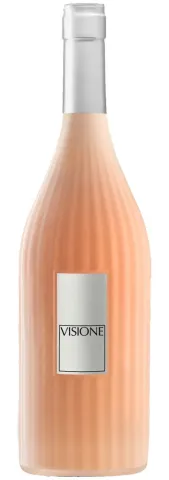
Visione Rosato
€ 25 Feudi di San Gregorio · Campania Rosato IGT (le annate più recenti risultano Irpinia Rosato DOC) DetailsA rosé from Aglianico grapes alone from Feudi's vineyards in the Taurasi area, picked in different plots and at different times, then matured for four months in stainless steel. Bright, intense pink, it has aromas of fresh flowers, wild strawberries and raspberries. The palate is fresh and lively, with notes of cherry and a structure that gives it presence at the table.
- Grapes
- Aglianico 100%
- The land
- Vines in the Taurasi area, at between about 300 and 350 metres above sea level.
The winery
Since 1986 Feudi di San Gregorio has told the story of Irpinia through its native grape varieties, Greco, Fiano and Aglianico. The estate belongs to the Capaldo family and is now chaired by Antonio Capaldo; starting from Feudi, the family created the Tenute Capaldo project, which brings together wineries in other Italian regions as well.
With our dishesA versatile rosé, suited to shellfish and seafood and, according to the producer, even to pizza Margherita.
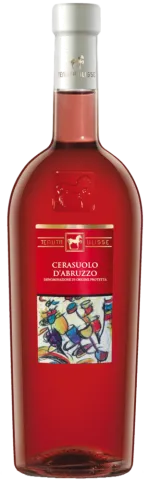
Cerasuolo d'Abruzzo
€ 22 Tenuta Ulisse · Cerasuolo d'Abruzzo DOP DetailsA rosé from Montepulciano vinified off the skins and aged in stainless steel and then in bottle. The colour is a bright cerasuolo, cherry pink, and the aromas recall strawberry and cherry with fine floral notes. The palate is fresh, with good acidity and great length.
- Grapes
- Montepulciano 100%
The winery
Tenuta Ulisse is based in Crecchio, in the province of Chieti, and is a family business born of the vision of Don Antonio Ulisse. The 2006 vintage marked the first year of sales, with 36,000 bottles; the winery presents itself as a young enterprise focused on innovation and on Abruzzo's historic grape varieties.
With our dishesThe winery suggests it with grilled fish and fish soups.
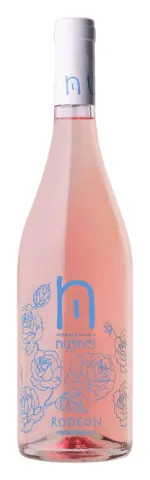
Rodeon Rosato
€ 22 Nugnes · Campania IGT Rosato DetailsA rosé from Aglianico, pale salmon in colour. On the nose it combines floral notes of rose with citrus and balsamic hints, recalling pineapple, strawberry and blueberry. On the palate it is dry, fresh and lively, supported by good acidity and great length.
- Grapes
- Aglianico 100%
The winery
The Nugnes winery stands in Carinola, in the Falerno del Massico area, and continues a family tradition of winegrowers active since the 1960s: after Orlando Nugnes, the estate grew with his son Antonio. The modern winery was built in 2002; today it has around 10 hectares of vineyards and a production of around 60,000 bottles.
With our dishesFresh and dry, it accompanies seafood starters, molluscs and shellfish.
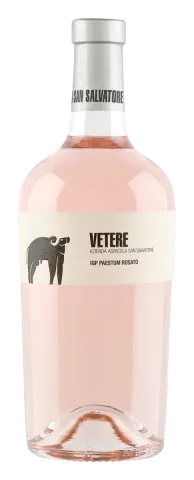
Vetere
€ 30 San Salvatore 1988 · Paestum IGP Rosato DetailsPure Aglianico cold-macerated for six hours and then softly pressed, to extract little colour and fine aromas. Pale pink, it has aromas of small red fruits, dog rose, violet and Mediterranean scrub. On the palate it is fresh and soft, finishing on forest fruits and citrus such as grapefruit.
- Grapes
- Aglianico 100%
- The land
- Vineyard at Cannito, in Capaccio-Paestum, between 150 and 210 metres, in the shadow of the temples and within the Cilento National Park.
The winery
San Salvatore 1988 is the farming project of Peppe Pagano, dedicated to his father Salvatore: the family story begins in Boscoreale in the mid-twentieth century, moves to the Cilento in the 1980s and becomes a large farming estate in 2004. The estate is farmed organically, inspired by Steiner's philosophy, with vineyards in Stio and Capaccio-Paestum, a winery in Giungano and a buffalo herd.
With our dishesThe winery recommends it with tartares and seafood starters, and with buffalo mozzarella.
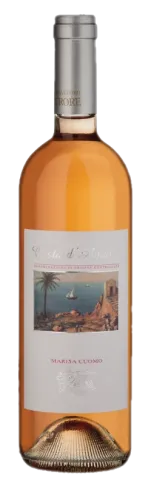
Costa d'Amalfi Rosato
€ 30 Marisa Cuomo · Costa d'Amalfi DOC Rosato DetailsA rosé from Piedirosso and Aglianico grown on the coastal terraces of Cetara and Raito, harvested by hand in the last ten days of October. Vivid pink, it has aromas of cherry, redcurrant and pomegranate with notes of Mediterranean scrub. On the palate it is structured and harmonious, with great length.
- Grapes
- Piedirosso (Per' e Palummo) 50%, Aglianico 50%
- The land
- South-facing terraces between 100 and 250 metres, on dolomitic limestone rock dropping sheer to the sea.
The winery
Cantine Marisa Cuomo was founded in 1980 in Furore, on the Amalfi Coast, when Marisa Cuomo and her husband Andrea Ferraioli took over the Gran Furor Divina Costiera brand, created in 1942. The wines mature in a cellar carved into the dolomitic limestone rock and the oenologist is Luigi Moio; the vineyards, often clinging to the rock faces, cover around 10 hectares.
With our dishesA rosé with structure, which stands up to seafood pasta dishes and chargrilled fish.
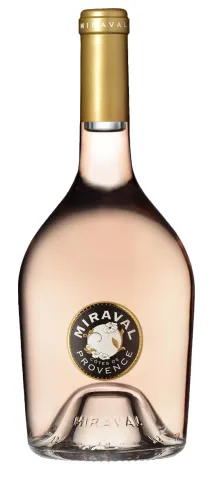
Miraval
€ 40 Château Miraval · Côtes de Provence AOC DetailsA Provençal rosé from Cinsault, Grenache and Rolle by direct pressing and Syrah by saignée, vinified almost entirely in stainless steel with a small portion in cask. Bright petal pink, it has aromas of fresh fruit and spring flowers. On the palate it is light and balanced, fresh, with saline and mineral notes and a long finish.
- Grapes
- Cinsault, Grenache, Syrah, Rolle
- The land
- Clay-limestone soils, partly terraced, with a climate that is cool for Provence and marked differences between day and night temperatures.
The winery
Château Miraval extends over around 600 hectares between the communes of Correns and Châteauvert, in the heart of Provence, with vines on dry-stone terraces at around 350 metres. The domaine is home to a historic recording studio associated with the jazz musician Jacques Loussier. The vines are farmed organically, although since 2012 the wines no longer claim certification.
With our dishesDelicate and savoury, ideal with raw fish, marinated fish and shellfish.
Reds
17 winesCampania
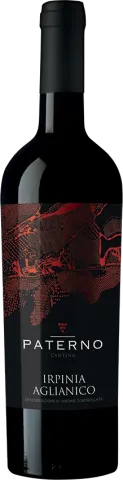
Aglianico
€ 16 Paterno · Irpinia Aglianico DOC Details- Grapes
- Aglianico
- The land
- Paternopoli lies within the Taurasi DOCG production zone, among the hills of Irpinia.
The winery
Azienda Agricola Paterno is based in Paternopoli, in the heart of Irpinia, and has been selling wine since the late eighteenth century: at that time it supplied the taverns along the royal road between Naples and Apulia and the Bourbon capital itself. With the arrival of the railway, at the end of the nineteenth century, the wine left by mule for the village station and from there reached new markets in Italy and the Americas. Today the winery, owned by Angelo Storti, is surrounded by around 30 hectares of vineyards, mostly Aglianico.
With our dishesA red from Irpinia for land-based dishes: meatballs in ragù, Genovese and tagliata.
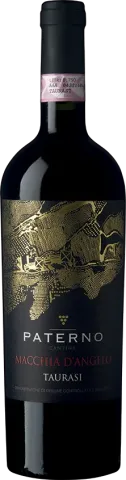
Taurasi
€ 38 Paterno · Taurasi DOCG DetailsTaurasi from pure Aglianico, aged for 12 months in French oak.
- Grapes
- Aglianico 100%
- The land
- Paternopoli lies within the Taurasi DOCG production zone, among the hills of Irpinia.
The winery
Azienda Agricola Paterno is based in Paternopoli, in the heart of Irpinia, and has been selling wine since the late eighteenth century: at that time it supplied the taverns along the royal road between Naples and Apulia and the Bourbon capital itself. With the arrival of the railway, at the end of the nineteenth century, the wine left by mule for the village station and from there reached new markets in Italy and the Americas. Today the winery, owned by Angelo Storti, is surrounded by around 30 hectares of vineyards, mostly Aglianico.
With our dishesA structured red for the richest land-based dishes: Genovese, tagliata and meatballs in ragù.
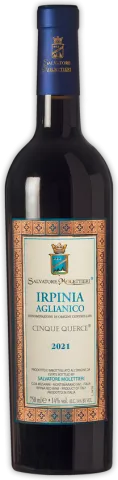
Aglianico
€ 30 Salvatore Molettieri · Irpinia Aglianico DOC DetailsThis is the “Cinque Querce” Aglianico, from younger vines in the vineyard of the same name in Montemarano, fermented in stainless steel and aged for 24 months in large casks and barriques. When young it has a floral, fruity profile, which with time grows darker, towards ripe berries. On the palate it is full and robust, with tannins well integrated into the body.
- Grapes
- Aglianico, con piccole quote di Piedirosso e Cabernet Sauvignon
- The land
- Montemarano, one of the historic crus of Taurasi, has high vineyards and cold winters, where Aglianico ripens late, in early November.
The winery
Salvatore Molettieri comes from a farming family in Montemarano, a village that for a long time sold its Aglianico grapes to the large houses of the province. The first bottle is from the 1988 vintage; today his four children work in the business, with the eldest, Giovanni, an oenologist, overseeing vineyard and cellar. The estate has 13 hectares, all in Montemarano.
With our dishesA powerful mountain Aglianico: it calls for the tagliata, the Genovese or the meatballs in ragù.
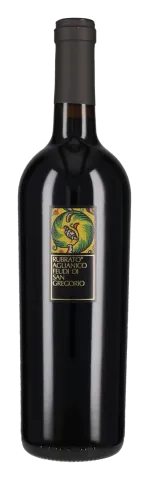
Aglianico
€ 24 Feudi di San Gregorio · Irpinia Aglianico DOC DetailsThis is “Rubrato”, the winery's young Aglianico, vinified and aged in stainless steel only for about ten months. Deep, bright ruby, it has aromas of redcurrant and blueberry with liquorice, undergrowth and a minty finish. The palate is fruity, warm and balanced, with a long, savoury finish.
- Grapes
- Aglianico 100%
The winery
Since 1986 Feudi di San Gregorio has told the story of Irpinia through its native grape varieties, Greco, Fiano and Aglianico. The estate belongs to the Capaldo family and is now chaired by Antonio Capaldo; starting from Feudi, the family created the Tenute Capaldo project, which brings together wineries in other Italian regions as well.
With our dishesIt pairs with the great Campanian classics: aubergine parmigiana, meatballs in ragù and meat.
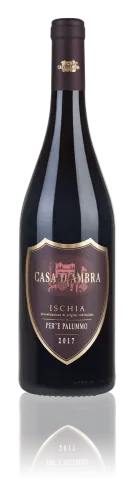
Per' 'e Palummo
€ 25 Casa D'Ambra · Ischia DOC Per' 'e Palummo DetailsA red from pure Piedirosso, the grape the people of Ischia call “pigeon's foot” because of the red colour of its stalks. It macerates on the skins for five to ten days and completes its ageing in bottle. Deep ruby, it has a vinous nose with light notes of strawberry and raspberry, and a decisive yet soft palate.
- Grapes
- Piedirosso (Per' 'e Palummo) 100%
- The land
- The grapes come from the vineyards of Faiano and Serrara Fontana, on the south-western side of Ischia, an island that obtained the DOC in 1966, the second in Italy.
The winery
Casa D'Ambra was founded in 1888 in Forio d'Ischia by Francesco D'Ambra, known as “Don Ciccio”. Since 2000 it has been led by Andrea D'Ambra, owner and oenologist, assisted by his daughters Marina and Sara, the fourth generation. Its vineyards include Frassitelli, four terraced hectares that also give their name to its best-known Biancolella.
With our dishesA light island red, it goes well with the more flavoursome seafood dishes such as chargrilled octopus and salt cod, and with gnocchi alla sorrentina.
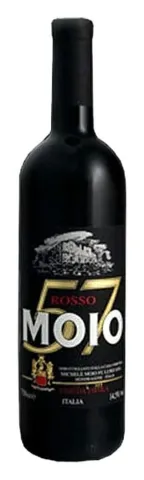
Moio 57
€ 24 Moio DetailsA red from Primitivo grapes alone from the Mondragone vineyards, vinified in the traditional way with long maceration and aged in classic Slavonian oak casks. The colour is ruby, and the fruity nose rests on a background of spice and liquorice. On the palate it is concentrated and well balanced.
- Grapes
- Primitivo 100%
- The land
- Vines between 50 and 120 metres on sandy volcanic soils, in the plain between the Volturno and Monte Massico.
The winery
Cantine Moio tell a story that, according to the winery, has continued since 1880; at the beginning of the twentieth century a branch of the family settled in Mondragone, in the heart of the ancient Ager Falernus, and began making wine. It was Commendatore Michele Moio who, after the war, had the insight that Mondragone Primitivo could be the modern version of the Falernian so dear to the Romans, revived from the 1950s onwards. The name Moio 57 recalls the extraordinary 1957 harvest.
With our dishesThe concentration of the Primitivo stands up well to ragù and chargrilled meat.
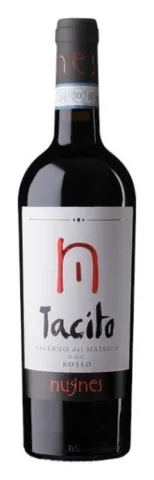
Falerno del Massico
€ 22 Nugnes · Falerno del Massico DOC Rosso DetailsA Falerno red from Aglianico with a proportion of Piedirosso, harvested by hand in October and matured for twelve months in stainless steel. Deep ruby, it has aromas of ripe red and black fruit with a touch of spice. On the palate it has structure, polished tannins and a long, slightly savoury finish.
- Grapes
- Aglianico 80%, Piedirosso 20%
- The land
- Vines on volcanic soils on the slopes of Monte Massico, in an area tempered by sea breezes.
The winery
The Nugnes winery stands in Carinola, in the Falerno del Massico area, and continues a family tradition of winegrowers active since the 1960s: after Orlando Nugnes, the estate grew with his son Antonio. The modern winery was built in 2002; today it has around 10 hectares of vineyards and a production of around 60,000 bottles.
With our dishesIts structure and fine tannins point it towards meat and the traditional land-based first courses.
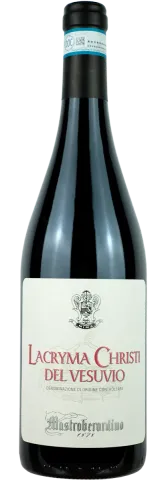
Lacryma Christi del Vesuvio Rosso
€ 26 Mastroberardino · Lacryma Christi del Vesuvio DOC Rosso DetailsPure Piedirosso from the ash soils of Vesuvius, vinified in stainless steel with about ten days' maceration and a few months in bottle. Ruby, it brings morello cherry and plum, pepper and cloves to the nose, with a mineral, smoky streak. The palate is delicate, fresh and easy to drink, echoing the fruit and the spice.
- Grapes
- Piedirosso 100%
- The land
- Loose volcanic soils rich in minerals on the slopes of Vesuvius, facing south-east at around 170 metres.
The winery
The Mastroberardino family has been present in Irpinia since at least the mid-eighteenth century, when it chose Atripalda as its base: the old cellars are still there, and since then ten generations have succeeded one another at the helm. Until the 1990s it was almost alone in defending Irpinia's native viticulture, thanks above all to the work of Antonio Mastroberardino.
With our dishesA light, fresh red, which the winery itself suggests with pasta with tomato sauce, pulses and grilled fish.
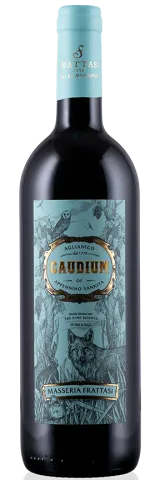
Caudium Aglianico
€ 25 Masseria Frattasi · Beneventano IGP Aglianico DetailsPure Aglianico from the mountain vineyards on the Taburno, harvested by hand in November and aged for nine months in second-fill French barriques, then three months in bottle. The colour is a deep, dark red, and the aromas recall wild blackberries, blueberries and plum jam. On the palate it is dense, fleshy and persistent.
- Grapes
- Aglianico 100%
- The land
- Vines at 380–500 metres on clay and calcareous material, at the Masserie Gualignano and San Pietro in Montesarchio.
The winery
Masseria Frattasi is a wine house founded in 1779 in Montesarchio, at the foot of the Taburno, in an eighteenth-century building preserved by the Clemente family, who own the estate. It farms around 50 hectares of vineyards, largely in the mountains, as well as vines in Anacapri and Baselice, and its projects include the rediscovery of Kapnios, a wine from dried grapes inspired by classical antiquity.
With our dishesA full, tannic Aglianico, to be kept for meat and land-based sauces.
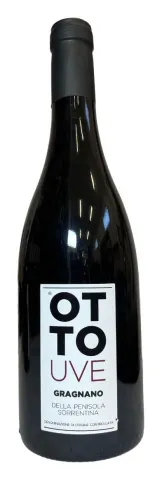
Ottouve Gragnano
€ 25 Salvatore Martusciello · Gragnano della Penisola Sorrentina DOC DetailsA lightly sparkling red from the Neapolitan tradition, made in stainless steel and intended to be served chilled. Purplish ruby with a lively mousse, it has aromas of strawberry, raspberry, blueberry and violet, with a hint of tomato leaf. The palate is fresh, savoury and persistent.
- Grapes
- Piedirosso 60%, Aglianico, Sciascinoso e altri vitigni locali 40%
- The land
- The name Ottouve pays tribute to the eight native grape varieties that historically went into Gragnano: piedirosso, aglianico, sciascinoso, suppezza, castagnara, olivella, sauca and surbegna.
The winery
The winery of Gilda and Salvatore Martusciello, based in Pozzuoli, was founded in 2015 when Salvatore, leaving the family business, set out on his own path with his wife. The Martusciello family, active in wine since the 1990s, is among those that have brought Gragnano and Lettere back to the fore; today the estate works with the historic denominations of the Campi Flegrei, the Sorrento Peninsula and the Agro Aversano.
With our dishesThe sparkling red of Naples, served chilled, for home cooking: ragù, parmigiana and pasta with provola.
Veneto
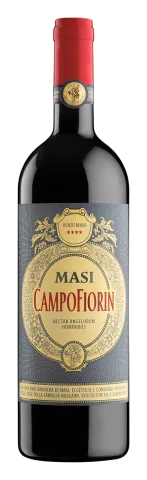
Campofiorin
€ 28 Masi · Rosso Verona IGT DetailsCreated in 1964, this is the red with which Masi paved the way for Veronese wines inspired by the Amarone technique: the wine made from native grapes vinified fresh is refermented with a small portion of the same grapes, semi-dried. Deep ruby, it has aromas of ripe cherry and sweet spices. On the palate it is rich, with cherry and berries, soft tannins and good length.
- Grapes
- Corvina, Rondinella, Molinara
The winery
The history of Masi begins in 1772, with the Boscaini family's first harvest in the vineyards of the Vaio dei Masi, a small valley in the heart of Valpolicella Classica. The estate is still in the family's hands today, led by the sixth and seventh generations, and is known above all for its expertise in the appassimento technique.
With our dishesMasi recommends it with pasta in rich sauces and grilled meat: here with the Genovese and the ragù.
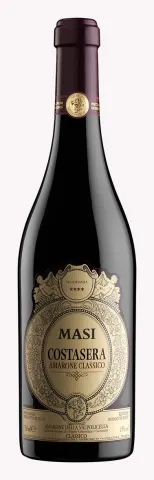
Costasera Amarone della Valpolicella Classico
€ 70 Masi · Amarone della Valpolicella Classico DOCG DetailsAmarone from native Valpolicella Classica grapes left to dry during the winter months on bamboo racks, from vines on slopes facing the sunset and Lake Garda. Very deep ruby, on the nose it offers cooked fruit, plum and cherry. On the palate the fruit combines with notes of coffee and cocoa, in a very balanced whole.
- Grapes
- Corvina, Rondinella, Molinara
- The land
- For Masi, Costasera refers to the slopes of Valpolicella Classica facing the sunset, where the vines enjoy the reflected light and mild climate of Lake Garda.
The winery
The history of Masi begins in 1772, with the Boscaini family's first harvest in the vineyards of the Vaio dei Masi, a small valley in the heart of Valpolicella Classica. The estate is still in the family's hands today, led by the sixth and seventh generations, and is known above all for its expertise in the appassimento technique.
With our dishesA serious red for chargrilled meat, or to sip slowly at the end of the meal.
Trentino-Alto Adige
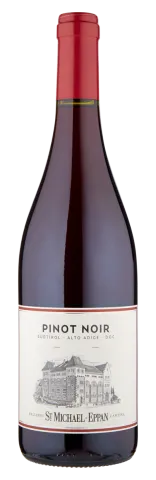
Pinot Nero
€ 26 San Michele Appiano · Alto Adige DOC DetailsPinot Nero from the Classic range, from vines between Appiano and Caldaro at 400–550 metres, fermented in stainless steel and aged in large wooden casks. Garnet in colour, it has a graceful nose of red berries and forest fruits. The palate is delicate and elegant, fruity with a spicy touch.
- Grapes
- Pinot Nero 100%
- The land
- Vines on morainic deposits and gravelly, calcareous soils, in the cool but sunny areas of Appiano.
The winery
Cantina San Michele Appiano was founded in 1907, when 41 winegrowing families of Appiano joined together in a cooperative. Under the direction of the cellar master Hans Terzer, the Sanct Valentin range, devoted to great whites, was born with the 1986 vintage, and the Chardonnay has been part of it from the start; in 2000 Gambero Rosso named the cooperative “Winery of the Year”.
With our dishesA light, elegant red that does not overwhelm seafood: excellent with chargrilled octopus and tuna.
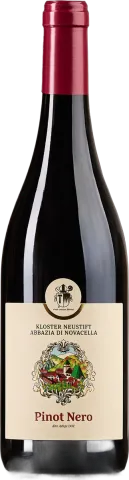
Pinot Nero
€ 28 Abbazia di Novacella · Alto Adige DOC DetailsA medium-bodied Pinot Nero from the Marklhof estate in Cornaiano, fermented in stainless steel with fifteen days on the skins and matured for six months in large oak casks. The colour ranges from ruby to brick; on the nose, sour cherry, red fruits, plum and undergrowth. On the palate it is elegant, soft and juicy.
- Grapes
- Pinot Nero 100%
- The land
- Vines at 350–420 metres on permeable morainic deposits over porphyry, in Cornaiano in the commune of Appiano.
The winery
The Abbazia di Novacella, near Bressanone, was founded in 1142 and its winemaking tradition is as old as the monastery, because among the first gifts it received were vineyards. In 1938 the abbey bought the Marklhof estate in Cornaiano, since then the base for its red wines, and since 1961 it has worked with a consortium of growers who deliver their grapes to it.
With our dishesSoft and juicy, it goes well with chargrilled dishes, from both sea and land.
Apulia
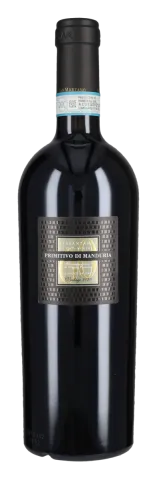
Sessantanni Primitivo di Manduria
€ 45 San Marzano · Primitivo di Manduria DOP DetailsPrimitivo from old bush-trained vines at least sixty years old, with malolactic fermentation in stainless steel and twelve months in French and American oak barriques. Very deep ruby, the nose is broad, with plum, cherry jam, a thread of spice and tobacco. On the palate it has great body, softness and dense tannins, finishing on cocoa, coffee and vanilla.
- Grapes
- Primitivo 100%
The winery
Cantine San Marzano was founded in 1962 in San Marzano di San Giuseppe, in the heart of the Primitivo di Manduria zone, by 19 winegrowers. From 1982 it was led for forty years by its president Francesco Cavallo; the first bottles were released in 1996 and in 2000 Sessantanni was born, becoming the winery's emblematic label.
With our dishesA full, soft red for hearty first courses and red meat, as the winery recommends.
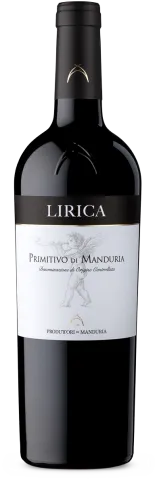
Lirica Primitivo di Manduria
€ 25 Produttori di Manduria · Primitivo di Manduria DOC DetailsPrimitivo harvested by hand in the first ten days of September, fermented at controlled temperature and aged for at least six months. Ruby with garnet reflections, it has aromas of ripe dark fruit, cherry and plum, with sweet spices such as ginger and anise and a toasty hint of wood. On the palate it is dry and full-bodied, with elegant tannins, good freshness and a spicy finish.
- Grapes
- Primitivo 100%
The winery
The winery's history begins in 1928, when a group of winegrowers took over an old plant and created the “Federazione Vini”, which became a cooperative on 9 July 1932. Today Produttori di Manduria has around 1,000 hectares of vineyards, half of them still bush-trained, farmed by 400 small members, and its underground cisterns house the Museo della Civiltà del Vino Primitivo.
With our dishesThe winery itself suggests it with aubergine parmigiana and red meat.
Abruzzo
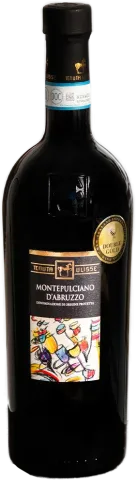
Montepulciano d'Abruzzo
€ 25 Tenuta Ulisse · Montepulciano d'Abruzzo DOP DetailsPure Montepulciano, aged in stainless-steel vats and then in bottle. Deep ruby with purple reflections, it has aromas of red fruits, sour cherry and blackberry. On the palate it is full and round, with good body, sweet, velvety tannins and a long finish.
- Grapes
- Montepulciano 100%
The winery
Tenuta Ulisse is based in Crecchio, in the province of Chieti, and is a family business born of the vision of Don Antonio Ulisse. The 2006 vintage marked the first year of sales, with 36,000 bottles; the winery presents itself as a young enterprise focused on innovation and on Abruzzo's historic grape varieties.
With our dishesRound and full-bodied, it goes well with meat and with traditional tomato-based dishes.
No matching dishes.